
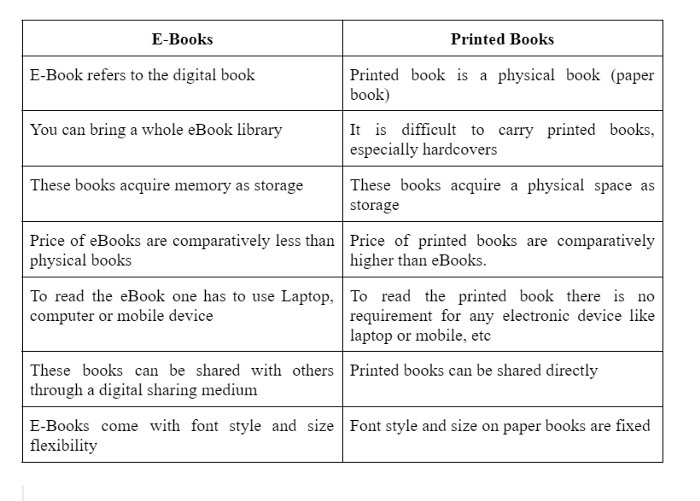
Physical books captivate readers in ways ebooks often can’t. Their tangible nature engages more senses, from the comforting smell of paper to the tactile pleasure of turning pages. When you ask, “why are physical books better than ebooks,” it’s not just nostalgia talking. Physical books offer a distraction-free experience, helping you focus and immerse yourself in the story. Plus, they hold sentimental value as personal treasures lining your bookshelf.

“`html
Why Are Physical Books Better Than eBooks
In the digital age, many readers grapple with the question: why are physical books better than eBooks? This debate isn’t just about preference; it encompasses a variety of factors such as tactile experience, environmental impact, and accessibility. Let’s dive deeper into these aspects to understand why many still cherish the charm of a good old printed book.
The Tactile Experience of Physical Books
There’s something magical about holding a physical book in your hands. The weight, the texture, and even the smell of a new or old book can evoke a sense of nostalgia and comfort. This sensory engagement is something eBooks simply can’t replicate.
The Feel and Smell of Real Paper
– The sensation of flipping through paper pages is unique. Each turn holds anticipation as you reveal the story one page at a time.
– A new book has a distinct smell of ink and paper, while older books carry a musty aroma that speaks to their history and journey through time.
– Many readers feel a deeper connection with the story when holding a physical book, as if the story’s essence is somehow more present.
Distraction-Free Reading
– With a physical book, you immerse yourself fully without notifications or app switching, which is a common distraction with digital devices.
– The simplicity of a paper book creates a focused environment where you can get lost in the story without technological interruptions.
The Longevity and Durability of Physical Books
Physical books have a track record of durability, often surviving centuries if stored properly. This longevity is attractive to readers who value collecting books and building personal libraries.
Books as Heirlooms
– Books can become family treasures passed down through generations, allowing each new reader to add their own notes and thoughts in the margins.
– Printed books don’t rely on technology, which can become obsolete or require updates and maintenance.
Physical Durability
– While eReaders can break or malfunction, physical books can withstand drops, spills, and rough handling with minimal damage.
– Physical books are not subject to digital rights management (DRM), meaning you truly own your copy without restrictions on lending or resale.
Health and Comfort of Reading Physical Books
Reading physical books may actually be better for your health compared to eBooks, especially when it comes to screen-related issues.
Reduced Eye Strain
– Screens emit blue light which can strain eyes and disrupt sleep patterns, especially when reading before bedtime.
– Reading on paper provides a more natural experience akin to looking at objects in the real world, which is gentler on the eyes.
Improved Sleep Quality
– Studies suggest that reading from a screen before bed can interfere with sleep due to blue light exposure. Physical books don’t have this issue and can help you wind down for better sleep.
Environmental Considerations
The environmental impact of physical books versus eBooks is an essential aspect of this debate. Each format has its own ecological footprint, and understanding these can guide environmentally conscious readers.
Production and Waste
– Producing eReader devices involves mining rare earth metals and manufacturing complex electronics, which creates significant environmental waste.
– While paper production requires trees and water, many publishers strive for sustainable practices by using recycled materials and responsible forestry.
Recyclability and Disposal
– Physical books are biodegradable and can be recycled, whereas eReaders can be difficult to recycle due to their electronic components.
– Older books can be donated, resold, or repurposed, extending their life cycle and reducing waste.
Accessibility and Availability
The debate over physical books versus eBooks also involves the accessibility and availability of each format, influencing how readers experience stories.
Availability Without Technology
– Physical books don’t need power or an internet connection, making them accessible anywhere, anytime.
– In areas with limited technology access, physical books remain a crucial resource for reading and education.
Personal Libraries and Collection
– Building a personal library with physical books is often more rewarding, as books can be displayed and browsed on shelves.
– Collecting rare editions or signed copies creates a unique personal library that reflects individual taste and interest.
Emotional and Psychological Benefits
The emotional connection readers feel with physical books can enhance the reading experience in ways that eBooks might not.
Sentimental Value
– Books as gifts carry personal messages and sentiments, creating lasting memories and emotional bonds.
– Annotating and personalizing books can make them more meaningful as personal reflections and insights are recorded alongside the text.
Enhancing Cognitive Skills
– Research suggests that reading physical books may improve comprehension and retention, as the brain often processes structured text better than digital text.
– The spatial context of a physical book helps readers remember where information is, which can enhance understanding and recall.
By exploring these various aspects, we see that the allure of physical books lies not only in tradition but also in tangible benefits that enhance our reading journey. As technology advances, the choice between physical books and eBooks will remain personal, influenced by individual preferences and values.
“`
Why physical books are better than ebooks
Frequently Asked Questions
What sensory experience do physical books offer that eBooks don’t?
Physical books provide a tactile experience that eBooks cannot replicate. When you hold a book, you feel the weight and texture of the pages. The scent of the paper adds an olfactory layer to the reading experience. Turning a page offers a satisfying sound and sensation, making the reading experience more immersive and engaging.
How do physical books affect reading comprehension and retention?
Studies suggest that reading from physical books can improve comprehension and retention. The physical act of holding a book and turning pages helps create a mental map of the text, aiding in memory and understanding. This spatial awareness can make it easier to recall information and locate specific sections within the text.
Why do physical books provide a break from screen time?
In today’s digital age, people spend a significant amount of time staring at screens. Reading physical books offers a welcome break from digital devices, reducing eye strain and the risk of digital fatigue. This screen-free time can help you relax and focus solely on the content without digital distractions.
What role do physical books play in personal and home aesthetics?
Physical books serve not only as reading material but also as decorative elements in a home. A well-stocked bookshelf can add character and warmth to a room, reflecting personal taste and interests. Owning and displaying books fosters a sense of pride and accomplishment, making them valuable beyond just their content.
Can physical books offer a sense of ownership that eBooks cannot?
Physical books provide a tangible sense of ownership that eBooks do not. You can annotate, highlight, and make notes in the margins, creating a personal connection with the book. The ability to lend or gift a book to a friend further adds to the sense of ownership and sharing that eBooks cannot easily replicate.
Final Thoughts
Physical books offer a tactile experience that eBooks cannot replicate. The feel of the pages and the smell of paper engage the senses in a unique way. This sensory engagement enhances the reading experience.
Physical books also provide a welcome break from screens and digital distractions. They allow for better focus and immersion in the material. Ultimately, why are physical books better than ebooks? They foster a deeper connection to the content and create a lasting presence on your bookshelf.