
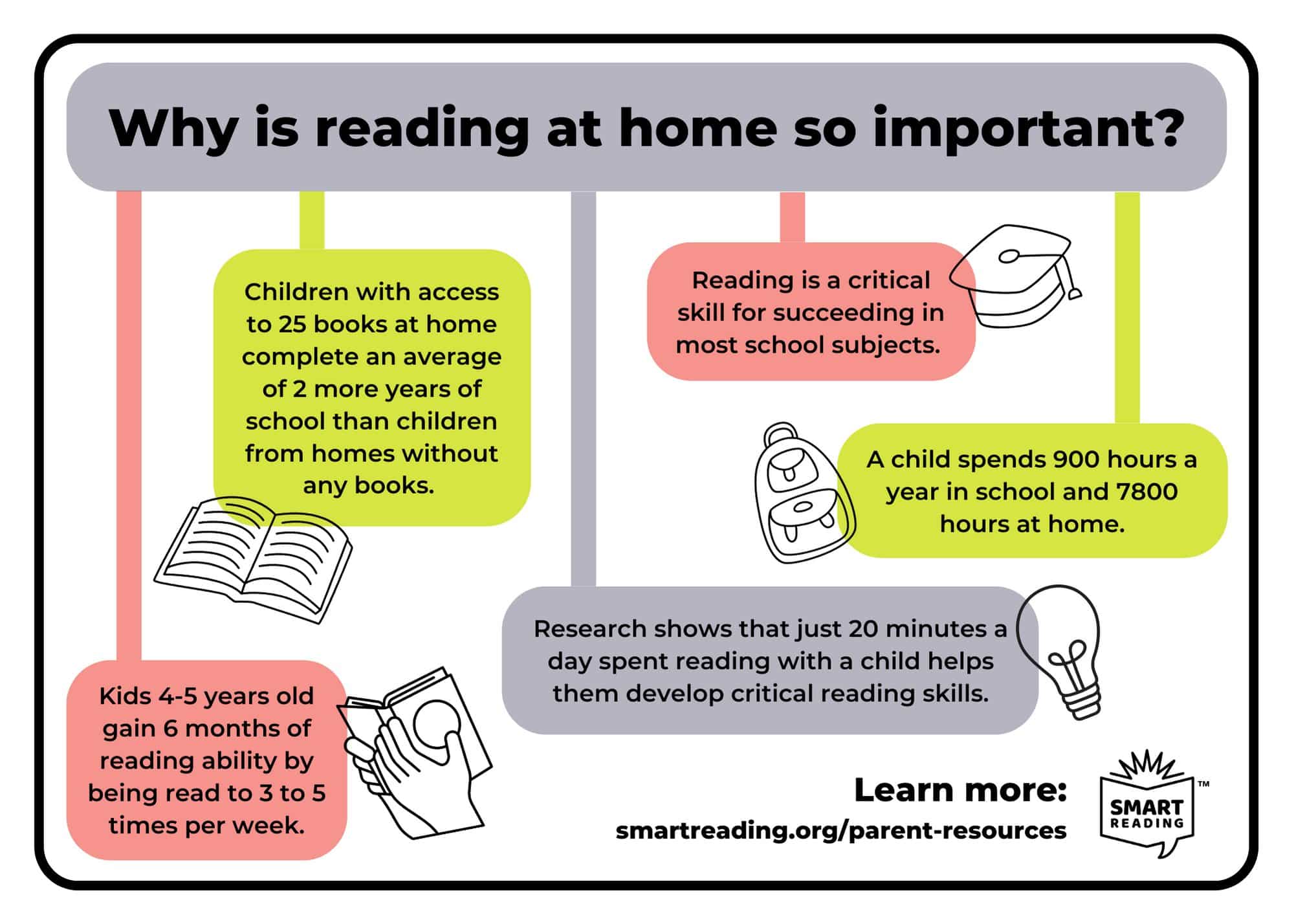
Books hold a unique power in our lives because they open doors to worlds we may never physically explore. They ignite imagination, spark curiosity, and offer wisdom from countless perspectives. Why are books so important? They teach empathy and connection by letting us step into someone else’s shoes. Every page has the potential to shape thoughts and inspire change.

“`html
Why Are Books So Important?
Books have always held a special place in human society. Whether for learning, entertainment, or personal growth, the value of books cannot be overstated. But what exactly makes books so important? Let’s explore the rich tapestry of reasons that highlight their significance.
The Power of Knowledge and Education
Books serve as a primary conduit for knowledge. They offer access to a vast array of information, from the basics of science to the complexities of history and culture. This section explores how books play a critical role in education and lifelong learning.
Building Blocks of Education
Books are fundamental to education at every level. They help build essential literacy skills, such as reading comprehension and vocabulary development. Here’s how they contribute:
- Reading Skills: Early exposure to books helps children develop reading skills, which are crucial for all areas of learning.
- Cognitive Development: Regular reading increases brain activity, enhancing memory and cognitive skills.
- Knowledge Acquisition: Textbooks and reference books provide structured, reliable information.
Supporting Lifelong Learning
Learning doesn’t stop after school. Books support lifelong learning by allowing adults to explore new topics and ideas at their own pace:
- They give readers the freedom to explore different cultures, time periods, and philosophies.
- Biographies and memoirs offer insights into the lives of influential people.
- Self-help books provide guidance and motivation for personal development.
Books as a Tool for Imagination and Creativity
Books are not only about facts and information. They have the unique ability to spark imagination and creativity, transporting readers to different worlds and times.
Fostering Imagination
When you read a book, you engage in a process of imagining the characters, settings, and events. This mental exercise enhances creative thinking:
- Fiction books paint vivid scenarios, encouraging readers to visualize and interpret details personally.
- They inspire new ideas and ways of thinking through complex narratives and characters.
- Fantasy and science fiction books, in particular, expand the boundaries of what is possible.
Inspiration for Creators
Books also inspire creators of all kinds. Writers, artists, filmmakers, and musicians often draw inspiration from literature:
- Classic novels have been the basis for countless films and plays.
- Books stimulate artistic expression by presenting new perspectives and stories.
- Authors often inspire others to write, creating a continuous cycle of creativity.
The Emotional and Psychological Benefits of Reading
Books influence our emotions and mental health in profound ways. They can comfort, challenge, and help us understand ourselves and others better.
Emotional Connections
Many people find solace and companionship in books. They forge emotional connections with characters and stories that resonate with them:
- Books provide comfort and escape during tough times.
- They help readers process emotions and experiences.
- Stories can offer new perspectives, fostering empathy and understanding.
Mental Health and Well-being
Reading has been shown to benefit mental health and well-being. It can reduce stress, enhance mood, and even improve mental faculties:
- Regular reading can fight anxiety and depression by engaging the mind positively.
- It provides a structured activity that promotes relaxation and focus.
- Reading before bed can improve sleep quality by reducing stress and aiding in relaxation.
The Significance of Books in Cultural Preservation
Books act as vessels for cultural preservation and transmission. They document the history, traditions, and knowledge of different societies and eras.
Preserving History
Through books, historical events, and narratives are recorded for future generations:
- They provide detailed accounts of events, ensuring that lessons from the past are not forgotten.
- Books maintain the continuity of cultural traditions and folklore.
- They offer insights into societal progress and change.
Sharing Diverse Cultures
Books allow us to experience cultures and traditions that are different from our own. They foster appreciation and understanding of diversity:
- Ethnic and cultural diversities are explored through narratives that depict various lifestyles.
- Books written by authors from diverse backgrounds enrich global understanding.
- They encourage respect and empathy for different cultural practices and beliefs.
The Role of Books in Building Social Connections
Books also play a role in building community and social connections. They bring people together to share different perspectives and ideas.
Book Clubs and Discussions
Participating in book clubs or discussion groups can enhance social interaction and community spirit:
- They provide a platform for exchanging opinions and insights.
- Discussions inspire critical thinking and articulate expression.
- Book clubs create a sense of belonging among members.
Shared Reading Experiences
Reading can also be a communal activity. Sharing books and discussing them with family and friends strengthens bonds:
- Family reading time creates lasting memories and traditions.
- Shared reading experiences help build empathy and understanding among different age groups.
- Discussing books can lead to engaging and meaningful conversations.
Books remain a fundamental part of our lives. They educate, inspire, comfort, and connect us in countless ways. They open doors to worlds beyond our own and preserve the richness of human culture and experience. In a digital age, their importance continues to flourish, reminding us that books are truly indispensable.
7 Reasons Why Reading A Book A Week Will Change Your Life
Frequently Asked Questions
How do books contribute to personal development?
Books play a vital role in personal development by providing access to a vast array of knowledge and experiences. When you read, you expose yourself to different perspectives, cultures, and ideas, which can broaden your understanding of the world. Reading also enhances critical thinking skills, allowing you to analyze and synthesize information more effectively. Additionally, books can inspire and motivate you to set personal goals and pursue lifelong learning, contributing to continuous self-improvement.
In what ways do books improve our communication skills?
Reading books regularly can significantly improve your communication skills. Exposure to well-written material helps expand your vocabulary and improve your understanding of language structure. Books often present complex ideas and emotions, which can enhance your ability to express yourself more clearly and effectively. Moreover, by experiencing diverse writing styles and narratives, you learn to adapt your communication style to different contexts, whether in writing or speaking.
Why are books considered essential for mental health?
Books have a positive impact on mental health by reducing stress and providing an escape from daily challenges. Engaging with a good story can be incredibly relaxing and can lower stress levels by allowing your mind to focus on something other than your worries. Reading also stimulates mental engagement, which can improve brain function and cognitive abilities. Furthermore, books can offer comfort and guidance during difficult times, helping you better understand and cope with your emotions.
How do books support educational growth?
Books are fundamental to educational growth because they serve as primary sources of information for learning. They provide a comprehensive way to explore and understand various subjects, offering in-depth explanations and examples. Textbooks, in particular, are structured to guide learners through complex topics step-by-step. Additionally, reading widely encourages curiosity and a desire to learn, which are key components of academic success.
What role do books play in fostering empathy?
By delving into the lives and thoughts of characters in books, readers can develop a deeper sense of empathy. This connection allows you to experience situations from different viewpoints, promoting a better understanding of others’ feelings and circumstances. As you engage with characters and their stories, you cultivate emotional intelligence, which enhances your capacity to relate to real people empathetically. Books often highlight social issues and ethical dilemmas, further encouraging readers to consider perspectives beyond their own.
Final Thoughts
Books are important because they offer knowledge, insight, and a deeper understanding of the world. They foster imagination, empathy, and critical thinking. Through books, we connect with different cultures and perspectives, broadening our horizons.
Books also serve as a refuge, providing comfort and inspiration. They preserve history and ideas, ensuring wisdom is passed down through generations. This is why books are so important—they enrich our lives and shape our future.