
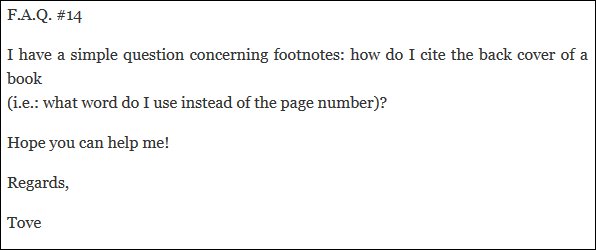
When you need to cite the back cover of a book, treat it like any other part of the text. Include the author, title, edition, publisher, publication year, and the specific section as “Back cover.”
Why cite the back cover, you might ask? Often, it provides a concise summary or valuable endorsements that enhance your work. This article guides you through the process, ensuring your citations are both accurate and insightful.

How to Cite the Back Cover of a Book
Citing the back cover of a book might seem like a strange task at first. Why would you need to do it? The back cover provides key insights, such as summaries and accolades, which can be crucial for a diligent study or research. In this guide, we will explore the process thoroughly, ensuring you know exactly what to do when confronted with this unusual citation scenario.
Understanding Why You Might Need to Cite the Back Cover
Sometimes, the back cover offers unique information that can’t be found elsewhere in the book. Whether it’s a quote that perfectly encapsulates the book’s essence or a critical piece of information for your paper, understanding its significance is crucial.
– **Summarization**: A concise summary might be found on the back cover and can provide context.
– **Author Endorsements**: Often, authors use the back cover to include endorsements or reviews that add credibility.
– **Visual Elements**: Images or design elements on the back cover can also be relevant, especially in art and design studies.
Different Citation Styles for the Back Cover of a Book
There are several citation styles you might use, including APA, MLA, and Chicago. Each has its own guidelines.
APA Style
In APA style, citing non-standard sources like a book’s back cover isn’t common, but it can be done. Here’s how:
- Author(s). (Year). Title of the book. Publisher. Back cover information.
Example:
If you want to cite a testimonial from the back cover:
“John Doe’s gripping novel will leave readers breathless,” says Jane Smith (Doe, 2023, back cover).
MLA Style
When citing in MLA style, focus on clarity and simplicity. Use this format:
- Author(s). *Title of the Book*. Publisher, Year. Back cover.
Example:
If citing a review:
“A thrilling mystery that unfolds brilliantly” (Doe, John. *Mysterious Tales*. Penguin, 2023, back cover).
Chicago Style
Chicago style is more flexible and allows for detailed citations. Here’s a sample format:
- Author(s). Title of the Book. Edition. Place of publication: Publisher, Year. Back cover information.
Example:
John Doe, *Tales of Adventure*, 1st ed. (New York: Adventure House, 2023), back cover.
In-Text Citations: Integrating Back Cover Information
Using information from the back cover requires careful integration into your work. You must ensure it flows naturally with your writing.
– **Introduce the Source**: Briefly introduce the book in your text when including a citation from the back cover.
Example: The back cover of *Epic Journeys* describes the book as “a captivating tale of resilience and exploration” (Smith, 2023, back cover).
– **Use Author’s Name**: If the back cover includes quotes or reviews from notable figures, mention their names.
Example: Jane Doe praises the book, saying it “rewrites the history of adventure” (Smith, 2023, back cover).
Ethical Considerations and Fair Use
Citing the back cover of a book, like any citation, requires consideration of intellectual property rights and ethical use.
– **Fair Use**: Ensure your use of the back cover content falls under fair use, which includes non-commercial, educational purposes.
– **Attribution**: Always give proper credit to the source, even if it’s just the back cover.
Proper Attribution
Giving proper attribution ensures you respect the intellectual property of the author and publisher. Misusing or failing to properly cite information can lead to legal issues or accusations of plagiarism.
Common Pitfalls and How to Avoid Them
Many people make mistakes when citing back covers. Here are some common ones and how to avoid them:
– **Neglecting to Cite**: Just because it’s the back cover doesn’t mean it doesn’t need citation. Always cite your sources.
– **Incorrect Format**: Use the correct format for your citation style to ensure clarity and professionalism.
– **Overusing Quotes**: Relying too much on back cover information can weaken your own analysis. Use it to support, not replace, your ideas.
Using Technology to Aid in Citation
Various online tools and apps can help with citation. They offer formats for various styles and ensure accuracy with citing unusual sources like a book’s back cover.
– **Citation Generators**: Tools like EasyBib and Citation Machine can simplify the process, allowing you to input details and generate a citation.
– **Reference Management Software**: Software like EndNote or Zotero allows for more complex management of your references, including the ability to store and categorize back cover citations.
Integrating Visual Elements from the Back Cover
Sometimes, visuals from the back cover can be important in your work. Here’s how you can integrate them while maintaining proper citation and use:
– **Describing Visuals**: Offer a description of the image or graphic for readers who can’t see it (for instance, in a presentation).
– **Citing Visuals**: Include the citation in the same way you would for text information, indicating the image is from the back cover of the book.
Example of Citing a Visual
If the back cover has an important image, describe it and cite it in your work:
“The back cover of *Journey’s End* features a stunning painting of the landscape described within” (Smith, 2023, back cover).
Using Back Cover Quotes Effectively
Quoting from the back cover can add value to your work if used correctly. Here are some tips for using these quotes effectively:
– **Support Points**: Use quotes to support a point you’re making rather than standalone evidence.
– **Brief and Pertinent**: Keep quotes brief and ensure they directly relate to your topic.
– **Blend with Analysis**: Integrate the quote alongside your own analysis to add depth to your arguments.
For instance, if discussing the impact of a book’s themes, you might introduce a back cover quote to set the stage for a deeper analysis: “The back cover praises the book’s ‘unwavering exploration of loss and redemption,’ which aligns with the thematic core discussed in my analysis” (Smith, 2023, back cover).
Final Thoughts on Citing Back Covers
Citing the back cover of a book can seem tricky at first, but it’s manageable with a little guidance. Whether using APA, MLA, or Chicago styles, always aim for clarity and accuracy. Remember, the goal is to support your work with proper citations, enhancing credibility and depth. With practice, citing back covers becomes a simple task that enriches your writing.
Citing a Book's Back Cover
Frequently Asked Questions
What information do I need to cite the back cover of a book?
To cite the back cover of a book, gather the following information: the title of the book, the author(s), the publication year, the publisher’s name, and the location of the publisher. Since there is no standard citation format specifically for back covers, include a note that specifies you are citing the back cover text.
How do I format a citation for the back cover of a book in APA style?
In APA style, after gathering the necessary information, format your citation like this: Author(s). (Year). Title of the book. Publisher. Note: Information from the back cover. Remember to italicize the title of the book.
Can I use information from a book’s back cover as a source in academic writing?
Yes, you can use information from the back cover as a source if it provides relevant insights or summaries. However, be cautious, as back covers are often promotional materials. Always verify the information with the main content of the book.
Should I explicitly mention that I’m citing the back cover in my bibliography?
Yes, you should explicitly mention that you are citing the back cover to clarify the source of your information. In your bibliography, add a note indicating that the cited material is from the back cover of the book.
Is it acceptable to cite only the back cover of a book if it’s the only source I have?
Citing only the back cover might be insufficient for comprehensive research since it typically summarizes the book’s content or provides promotional material. Use it to supplement other citations and include direct sources from the main content whenever possible.
Final Thoughts
To cite the back cover of a book, start with the author’s last name followed by their first name. Include the publication year in parentheses. Add the title of the book in italics, followed by “Back cover” in brackets. Mention the publisher and the city of publication.
When referencing, adapt this format to the specific citation style you’re using, such as APA, MLA, or Chicago. Each style may have slight variations, so consult the relevant guide for precision.
Consistent practice helps ensure accurate citations. Always double-check your references to maintain credibility and avoid errors.