
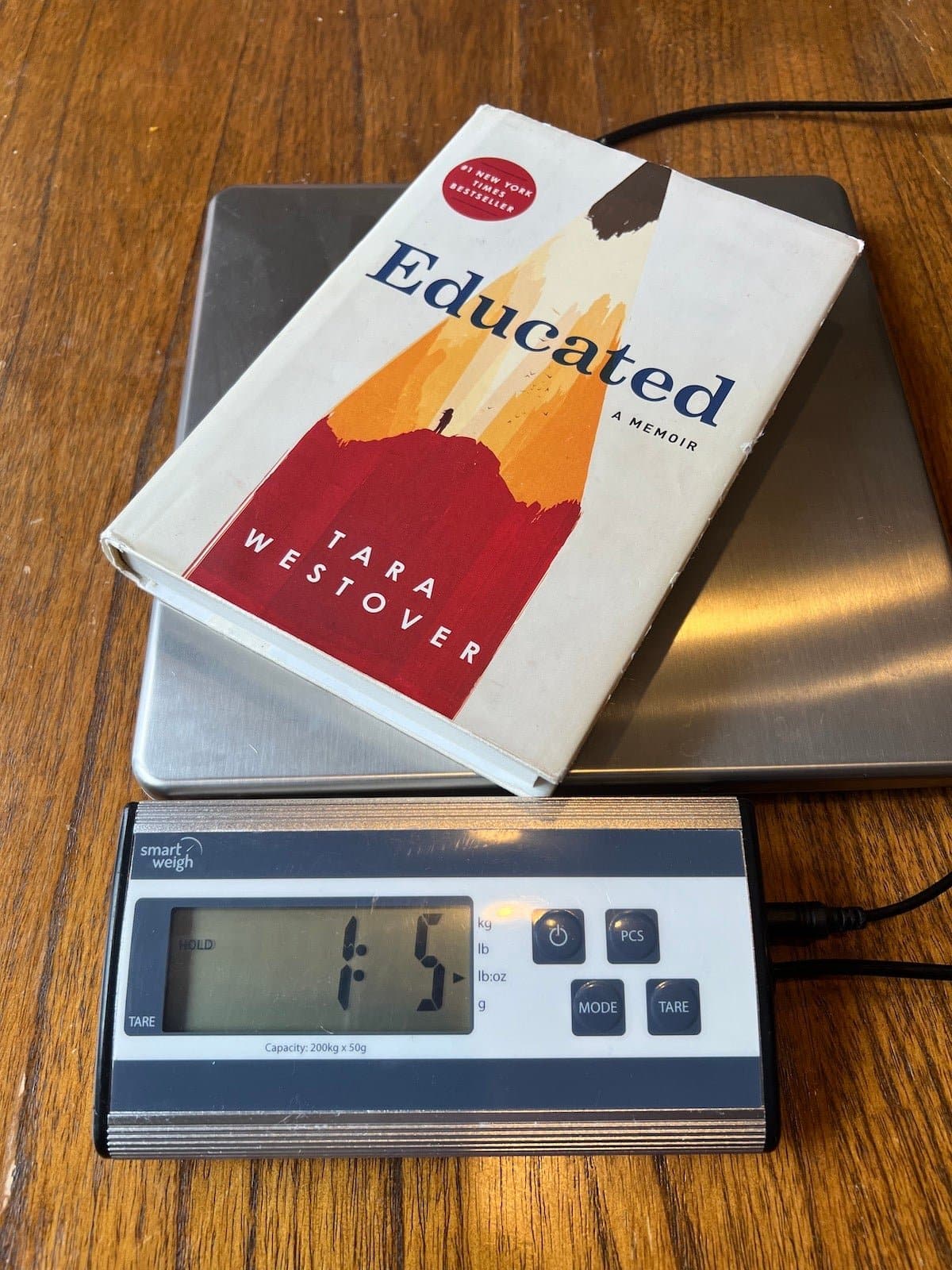
Ever wondered how much a hardcover book weighs? On average, it ranges from one to two pounds, but the exact weight varies with size and thickness.
Books can be surprisingly hefty or delightfully light, depending on the paper quality and dimensions. Whether you’re packing for a trip or just curious, understanding these factors makes it easier to manage your library or backpack.
So, the next time you pick up a hardcover novel, take a moment to appreciate the craftsmanship and material that contribute to its weight.

“`html
How Much Does a Hardcover Book Weigh?
When it comes to books, you might have noticed that hardcover books often feel heavier than paperbacks. But have you ever wondered just how much a hardcover book weighs? The weight of a book can vary based on several factors, and understanding these can be both informative and important, especially for readers, publishers, or anyone involved in shipping books.
Factors Influencing the Weight of a Hardcover Book
Several elements contribute to the weight of a hardcover book. These include the size of the book, the type of paper used, the thickness of the cover, and even the printing techniques. Let’s look at each of these factors in more detail.
Size and Dimensions of the Book
The size of a hardcover book plays a significant role in its overall weight. A larger book, like an atlas or a coffee table book, will weigh more than a smaller, standard-sized novel. Here’s how different dimensions can affect weight:
- Standard Hardcover Novel: Typically, these range from 5 x 8 inches to 6 x 9 inches. They may weigh between 1 to 2 pounds.
- Large Format Books: Books such as textbooks or photography books often measure 8.5 x 11 inches or larger and can weigh between 3 to 5 pounds or more.
- Miniature Books: These are much smaller, often around 4 x 6 inches, and usually weigh less than a pound.
Paper Type and Thickness
The paper used inside the book also contributes to its weight. Different types of paper have varying thicknesses and densities:
- Bond Paper: Commonly used for novels, it is lighter and contributes less to the weight.
- Glossy Paper: Used in photo books or art books, this paper is thicker and heavier, adding more weight.
- Text Paper: Often used in non-fiction and textbooks, it is thicker than bond paper but lighter than glossy.
Cover Materials and Thickness
A hardcover book’s outer cover is another vital component that influences weight. Hardcover books are known for their durability, mainly due to the thicker board used for the cover:
- Standard Hardcover: Features a thick cardboard cover which adds significant weight.
- Embossed or Leather-bound Covers: These are heavier due to the additional materials used for embossing or leather binding.
Printing Techniques and Ink Usage
The type of printing and the amount of ink used can also affect the book’s weight. Different techniques can lead to variations:
- Black and White Printing: Common in novels, this uses less ink and keeps the book lighter.
- Full-Color Printing: Used in magazines and art books, the additional ink can add to the weight.
Comparing Hardcover Books to Other Formats
In comparison to other book formats like paperbacks or e-books, hardcover books are generally heavier. Here’s a breakdown of the comparison:
Hardcover vs. Paperback
Paperback books are lighter because they use a thin paper cover instead of a solid board. This makes them portable and less expensive, but they lack the durability of hardcovers.
Hardcover vs. E-books
E-books, on the other hand, have no physical weight at all since they exist digitally. For readers looking for portability and convenience, e-books are the lightest option.
Why Does the Weight of a Hardcover Book Matter?
The weight of a hardcover book can matter for several reasons, such as:
- Shipping Costs: Heavier books cost more to ship, affecting both publishers and consumers.
- Reading Comfort: Some readers prefer lighter books for ease of handling.
- Shelf Space: Heavier books may require more robust shelving solutions.
Estimating the Weight of Your Hardcover Book at Home
If you’re curious about how much a specific book weighs, you can estimate it at home using a kitchen or postal scale. Here’s a simple way to do this:
- Place the scale on a flat surface and turn it on.
- Calibrate it to zero, if necessary.
- Gently place your book on the scale and make note of its weight.
Hardcover books, with their sturdy covers and sometimes glossy pages, offer a tactile reading experience that many people love. While they might weigh more than other book formats, their durability and the joy they bring to readers make them a cherished choice for many. Whether you’re an avid reader, a collector, or simply curious, understanding what contributes to a hardcover book’s weight can enhance your appreciation and handling of these literary treasures.
“`
How Much Does It Weigh? Episode 25 – Book
Frequently Asked Questions
What factors affect the weight of a hardcover book?
Several factors affect the weight of a hardcover book. The size of the book, the thickness of the paper, the type of cover material, and the number of pages all contribute to the overall weight. Larger books with high-quality paper and more pages will naturally weigh more.
How does the size of a hardcover book influence its weight?
The size of a hardcover book significantly influences its weight. Larger dimensions mean more material is used for both the pages and the cover, which increases the weight. A standard size hardcover book will weigh less than an oversized edition with the same number of pages due to the difference in dimensions.
Does the type of paper used in a hardcover book affect its weight?
Yes, the type of paper used in a hardcover book can greatly affect its weight. Heavier paper stock, such as glossy or thick pages, will add more weight compared to standard paper. Publishers often choose paper types based on the book’s purpose and intended audience, balancing quality with weight.
Are there any ways to estimate the weight of a hardcover book without a scale?
You can estimate the weight of a hardcover book by considering its dimensions, page count, and paper type. As a rough guideline, a standard hardcover book with about 300-400 pages can weigh between 1.5 to 3 pounds. For a more precise estimate, compare it with a book of known weight that shares similar characteristics.
Why do some hardcover books weigh more than others with the same number of pages?
Hardcover books with the same number of pages may weigh differently due to variations in paper thickness, cover materials, and even the presence of features like full-color illustrations or special bindings. These elements can add extra weight, making one book heavier than another despite having identical page counts.
Final Thoughts
The weight of a hardcover book can vary significantly based on its size, the type of paper used, and the presence of any additional materials like dust jackets or inserts. On average, a standard hardcover novel weighs about 1 to 2 pounds. Larger volumes, like textbooks or art books, can weigh much more.
For collectors, avid readers, or those concerned about shipping costs, knowing how much does a hardcover book weigh helps in making informed decisions. Keep in mind that the weight can impact not just physical handling but also the cost if you plan to ship or store multiple books.