
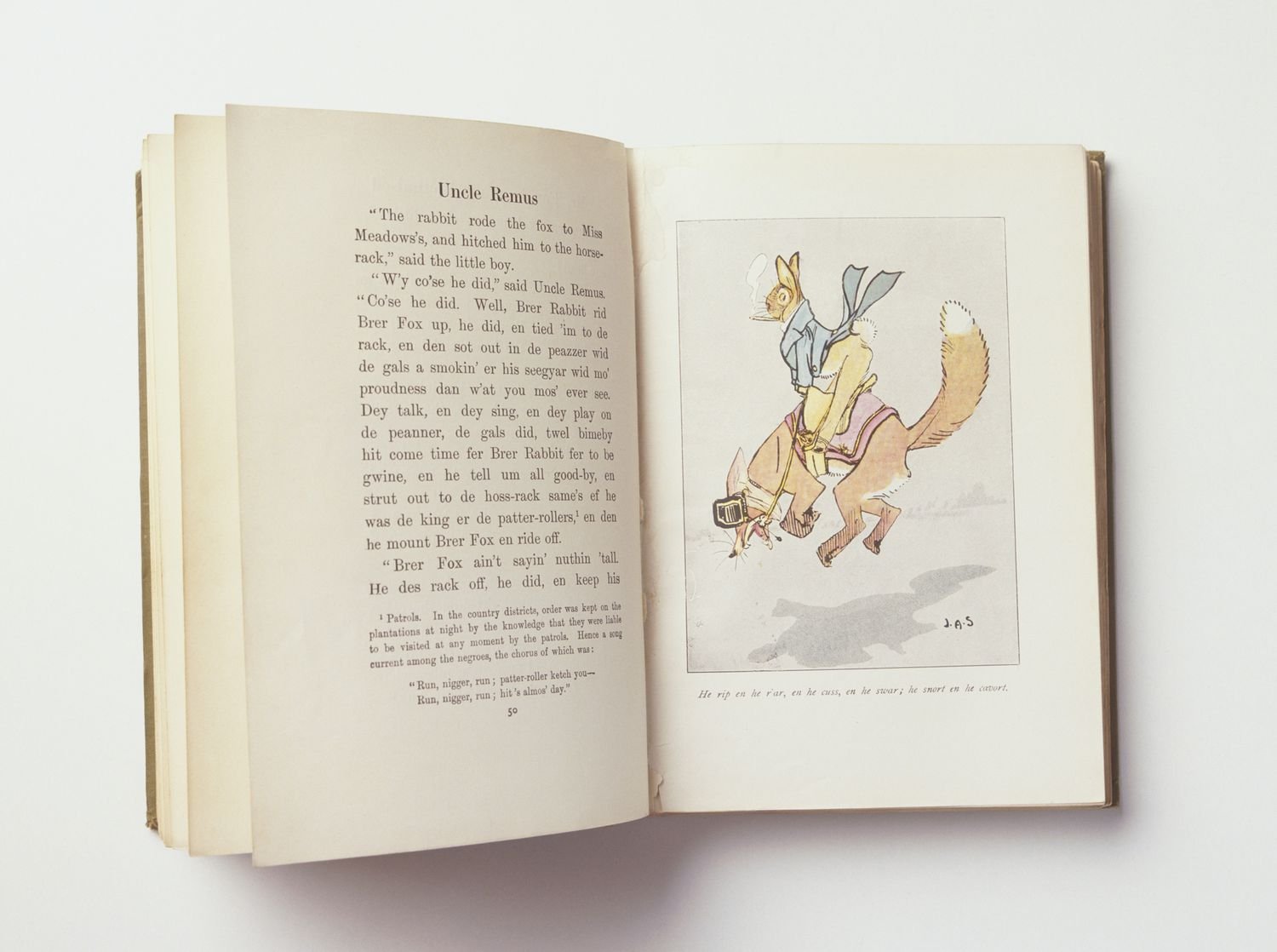
Chapter books are a vital step in a child’s reading journey. They bridge the gap between picture books and more complex novels, offering young readers a sense of accomplishment as they turn each page. These books feature chapters, hence the name, making them perfect for kids ready to tackle longer stories.
In chapter books, the plots are usually engaging yet simple, with illustrations scattered throughout to maintain interest. Children love getting to know the characters and following their adventures from chapter to chapter. Understanding what chapter books are can help guide young readers as they develop their skills and imagination.

“`html
What Are Chapter Books? Understanding Their Magic and Role in Children’s Literacy
When you dive into the world of children’s literature, you soon encounter a delightful category known as chapter books. These books serve a special purpose in a child’s reading journey, bridging the gap between picture books and more advanced literature. Let’s explore the enchanting world of chapter books, understand their characteristics, and recognize their role in the development of young readers.
Defining Chapter Books
Chapter books are written stories divided into chapters, aimed primarily at younger readers who have moved beyond picture books but aren’t quite ready for the complexity of middle-grade or young adult novels. Here are some key features of chapter books:
– Length: Typically, chapter books range from about 40 to 120 pages. This varies considerably, as some series might stretch longer, but the intent is to maintain a form that’s accessible to children still building their reading stamina.
– Illustrations: While illustrations are sparse compared to picture books, many chapter books include occasional black-and-white illustrations to support the text and maintain engagement.
– Language and Vocabulary: The language in chapter books tends toward the simpler side, with straightforward vocabulary and sentence structures. It often mirrors conversational language to help readers connect more easily.
– Chapters: Dividing the story into chapters helps new readers to manage their reading. Each chapter may resolve a small part of the larger narrative or focus on a single scene or character.
Why Chapter Books Are Important
Chapter books are more than just a stepping stone in literacy development; they offer critical educational benefits that contribute to a child’s reading success.
Building Reading Stamina
Children transitioning from picture books need to build the endurance necessary to tackle longer texts. Chapter books help increase reading stamina by engaging them in longer narratives without overwhelming them.
Encouraging Independent Reading
The satisfaction of completing a “real book” provides a significant confidence boost to young readers. Chapter books are perfectly tailored to this need, empowering children to read independently and develop a sense of accomplishment.
The Role of Chapter Books in Bridging Literacy Gaps
As children move toward more advanced reading levels, chapter books play a vital role in bridging literacy gaps:
Fluency Development
Listening to fluent readers helps build comprehension and fluency, but practicing fluent reading themselves is essential for young readers. Chapter books provide the right level of text complexity for children to practice this skill.
Theme and Structure Introduction
Chapter books introduce simple plot structures, recurring themes, and character development, laying the groundwork for understanding more complex stories in future reading.
Vocabulary Expansion
While simpler language is often used, chapter books still introduce new vocabulary in context, aiding readers in expanding their word knowledge organically.
Popular Chapter Books and Series
The realm of chapter books is vast and varied. These are some beloved chapter books and series that have captured the hearts of young readers:
- The Magic Tree House Series by Mary Pope Osborne: This series blends fantasy with history and science, leading children on adventures through different time periods.
- The Junie B. Jones Series by Barbara Park: Known for its humor and relatability, this series follows Junie B.’s escapades through kindergarten and first grade.
- The Ramona Quimby Series by Beverly Cleary: Ramona’s humorous and heartfelt adventures take place in a realistic setting that resonates deeply with readers.
- Geronimo Stilton Series: With colorful illustrations and quirky narratives, this series transports children into the adventurous life of a mouse journalist.
Choosing the Right Chapter Book for Your Child
With so many chapter books available, selecting one that captures your child’s interest and reading level can seem daunting. Here are some tips to guide your choice:
Know Your Child’s Interests
Consider what subjects or themes your child enjoys. Is it adventure, mystery, animals, or science fiction? Tailoring book choices to their interests can motivate and engage them in reading.
Assess Reading Levels
While keeping interest in mind, ensure that the book aligns with your child’s reading level. Books too challenging might frustrate, while too easy might bore them.
Incorporate Diversity
Select books that reflect diverse cultures and experiences. This not only enriches your child’s reading experience but also fosters empathy and understanding.
How to Support Your Child’s Chapter Book Journey
Supporting your child’s reading journey involves more than just providing books. Here’s how you can encourage a deeper engagement with chapter books:
Read Together
Although chapter books are aimed at independent readers, reading together can create a bonding experience and help your child understand challenging parts of the story.
Discuss the Book
Ask your child open-ended questions about the story, characters, and their favorite parts. This discussion enhances comprehension and critical thinking.
Create a Reading Routine
Establish a routine that includes a set time for reading. This habit supports consistent reading practice and instills a lifelong love for books.
Celebrate Progress
Acknowledge and celebrate when your child finishes a chapter book. Such recognition boosts their confidence and motivates them to continue reading.
Chapter books are a significant milestone in a child’s reading development. They serve as an exciting entry into the world of literature and play a crucial role in nurturing lifelong readers. By understanding what chapter books are and how they support literacy, you can help your child embark on a rewarding reading journey.
“`
Books all teenage girls should read 📚📖📕
Frequently Asked Questions
How do chapter books differ from picture books?
Chapter books contain more text and fewer illustrations compared to picture books. They cater to children who are transitioning from reading simple stories with pictures to more complex narratives. While picture books rely heavily on images to tell the story, chapter books focus on text to enhance literacy skills and encourage imagination.
What age group typically reads chapter books?
Chapter books are generally aimed at children aged 7 to 10 years old. This age group is developing independent reading skills and can handle longer narratives with more complex plots and character development. However, advanced younger readers or older children who enjoy simpler stories may also find chapter books appealing.
What are some popular topics or themes in chapter books?
Chapter books cover a wide range of topics and themes. Common ones include adventure, friendship, fantasy, mystery, and school life. These themes often resonate with children and provide an opportunity to explore different scenarios, fostering empathy and understanding.
Can chapter books help improve reading skills?
Yes, reading chapter books can significantly improve reading skills. They offer vocabulary expansion, enhance comprehension, and build stamina for longer reading sessions. As children engage with more complex sentences and plot structures, their overall literacy skills develop.
How can parents choose the right chapter book for their child?
Parents should consider the child’s interests, reading level, and maturity when selecting a chapter book. Look for books with relatable characters and engaging stories. Reading reviews, seeking recommendations, and previewing the book’s content can also help ensure it is appropriate and enjoyable for the child.
Final Thoughts
Chapter books bridge the gap between picture books and full novels, offering young readers a chance to engage with richer narratives. These books typically feature illustrations sprinkled throughout to maintain interest while focusing on text-based storytelling.
What are chapter books? They are structured with chapters, allowing children to easily pause and return to their reading. This format fosters independence and builds reading confidence by introducing more complex plots and characters.
In essence, chapter books serve as an essential stepping stone in a child’s reading journey, nurturing a love for reading and supporting the transition to more advanced literature.