
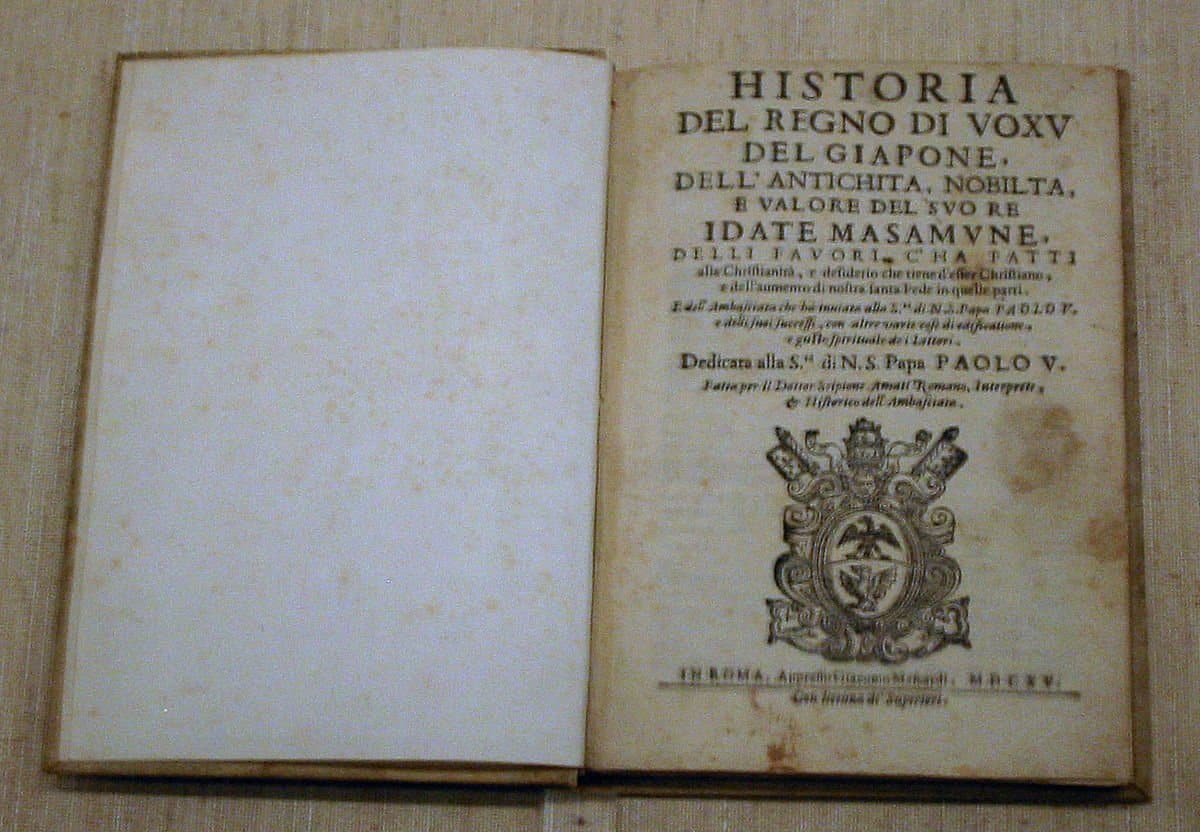
When pondering “is a book a secondary source,” the answer isn’t as clear-cut as one might hope. It depends on the content and purpose of the book.
A textbook analyzing historical events often serves as a secondary source, interpreting or analyzing primary information. Yet, books like diaries or autobiographies are primary sources, offering firsthand accounts.
Understanding the context and content of a book helps you categorize it properly. Whether you’re researching or just curious, knowing these distinctions aids more effective information gathering.

“`html
Is a Book a Secondary Source?
When diving into the world of research and academics, understanding the difference between types of sources is crucial. One common question is whether a book qualifies as a secondary source. Let’s explore this question in detail and understand the nuances involved.
Understanding Primary and Secondary Sources
Before deciding if a book is a secondary source, it’s important to understand what primary and secondary sources are.
Primary Sources
Primary sources provide direct or firsthand evidence about an event, object, person, or work of art. They are created by witnesses or first recorders of the event at the time it occurred. Some examples include:
- Diaries
- Original documents (e.g., birth certificates, trial transcripts)
- Photographs
- Artifacts
- Autobiographies
Secondary Sources
Secondary sources, on the other hand, interpret, analyze, or summarize primary sources. They provide second-hand accounts and often compile information from multiple primary sources. Examples include:
- Textbooks
- Biographies
- Journal articles that review previous research
- Documentaries
- Books summarizing research or events
When is a Book a Secondary Source?
Books can be both primary and secondary sources depending on the context. Here’s how you can tell when a book is a secondary source:
Books Analyzing Other Works
Many books are secondary sources because they analyze, interpret, or review information from primary sources. For instance, a history book discussing events of World War II based on letters, diaries, or other documents serves as a secondary source.
Textbooks and Educational Books
Most educational books designed to teach students are secondary sources. They compile information from various sources and present it in a way that educates their readers. Textbooks summarizing scientific research often fall under this category.
Biographies
While autobiographies qualify as primary sources, biographies typically do not. Biographies are written about someone by another person who was not a firsthand witness to the events in the subject’s life. These books rely on primary sources like interviews, letters, and other documents to provide a detailed account.
Scholarly Books
Scholarly books are often based on previous research and provide a deep analysis of a topic. These books cite various primary and secondary sources, thus positioning themselves as secondary sources.
Factors Influencing Whether a Book is a Secondary Source
Determining if a book is a secondary source can depend on several factors:
Author’s Perspective
Consider the author’s perspective and intent. If they aim to reinterpret, analyze, or critique information from other sources, it’s likely a secondary source.
Source of Information
Books relying heavily on primary sources, such as eyewitness accounts, letters, or original research, usually assume a secondary function when they then analyze or summarize these inputs.
Purpose and Use
The purpose of the book in your research can also influence its classification. The same book might be a primary source in one context and a secondary source in another. For example, a book on the history of painting might be a secondary source, but if you are studying how people wrote about art over time, it might serve as a primary source.
Examples to Consider
Let’s look at specific examples to further illustrate these distinctions:
Example 1: A Book on Climate Change
If the book summarizes various scientific studies, provides interpretations, and suggests policy changes, it functions as a secondary source.
Example 2: An Artist’s Biography
A biography detailing an artist’s life by drawing on their personal letters, interviews with acquaintances, and reviews of their work acts as a secondary source because it synthesizes primary data.
Example 3: A Collection of Personal Letters
If a book simply assembles a collection of letters, with minimal commentary, it is likely a primary source. However, if the book includes analysis and context, it turns into a secondary source.
The Role of Context in Classification
Context plays a critical role in classification. A book might serve as a primary source in one scenario and a secondary source in another:
Historical Context
Consider the book’s role in your research. If you are studying the perspectives of 19th-century historians, then a book written by a historian from that period might be a primary source.
Research Goals
Your research goals can determine the book’s classification. Are you using the book to gather information about a topic (secondary source), or are you studying the book itself as an object of research (primary source)?
Why Does It Matter?
Understanding whether a book is a primary or secondary source is essential for:
- Research Accuracy: Ensure the accuracy and reliability of your research by understanding the nature of your sources.
- Proper Citation: Correctly classify and cite sources to support your arguments and findings effectively.
- Contextual Understanding: Grasp the context of the information you’re dealing with and how it shapes your research.
Remember, always review the book’s purpose, author’s intent, and the role it plays in your research to determine its classification accurately.
“`
Primary and Secondary Sources
Frequently Asked Questions
What is a secondary source?
A secondary source interprets or analyzes primary sources. These can include books, articles, documentaries, or reviews that discuss information originally presented elsewhere. They provide additional context, commentary, or scholarly interpretation of primary data or events.
Can a book be a primary source instead of a secondary source?
Yes, a book can be a primary source if it contains original research, firsthand accounts, or direct evidence about a topic. For example, an autobiography or a collection of letters is a primary source because it provides direct insight from someone directly involved in the events or subject matter.
How do you determine if a book is a secondary source?
To determine if a book is a secondary source, consider its purpose and content. If the book analyzes, critiques, or interprets primary data, it serves as a secondary source. Academic books often include reviews of literature, historical analysis, or commentary, making them secondary sources.
Are textbooks considered secondary sources?
Textbooks generally serve as secondary sources because they compile and summarize information from various primary and secondary sources. They often provide overviews of a subject, incorporating interpretations and analyses by other scholars.
Why do researchers use secondary sources like books?
Researchers use secondary sources like books to gain insights and context for their studies. These sources help understand existing scholarly debates, build on previous work, and frame new research questions within an established body of knowledge.
Final Thoughts
Books can serve as both primary and secondary sources, depending on their content and purpose. A book is a secondary source when it interprets or analyzes primary data or events, offering perspectives or contextual explanations. Histories, critiques, and commentaries often fall into this category. Understanding the role of a book as a secondary source depends on how it is used in research and analysis. By using books wisely, readers can gain valuable insights and deepen their understanding of a topic.